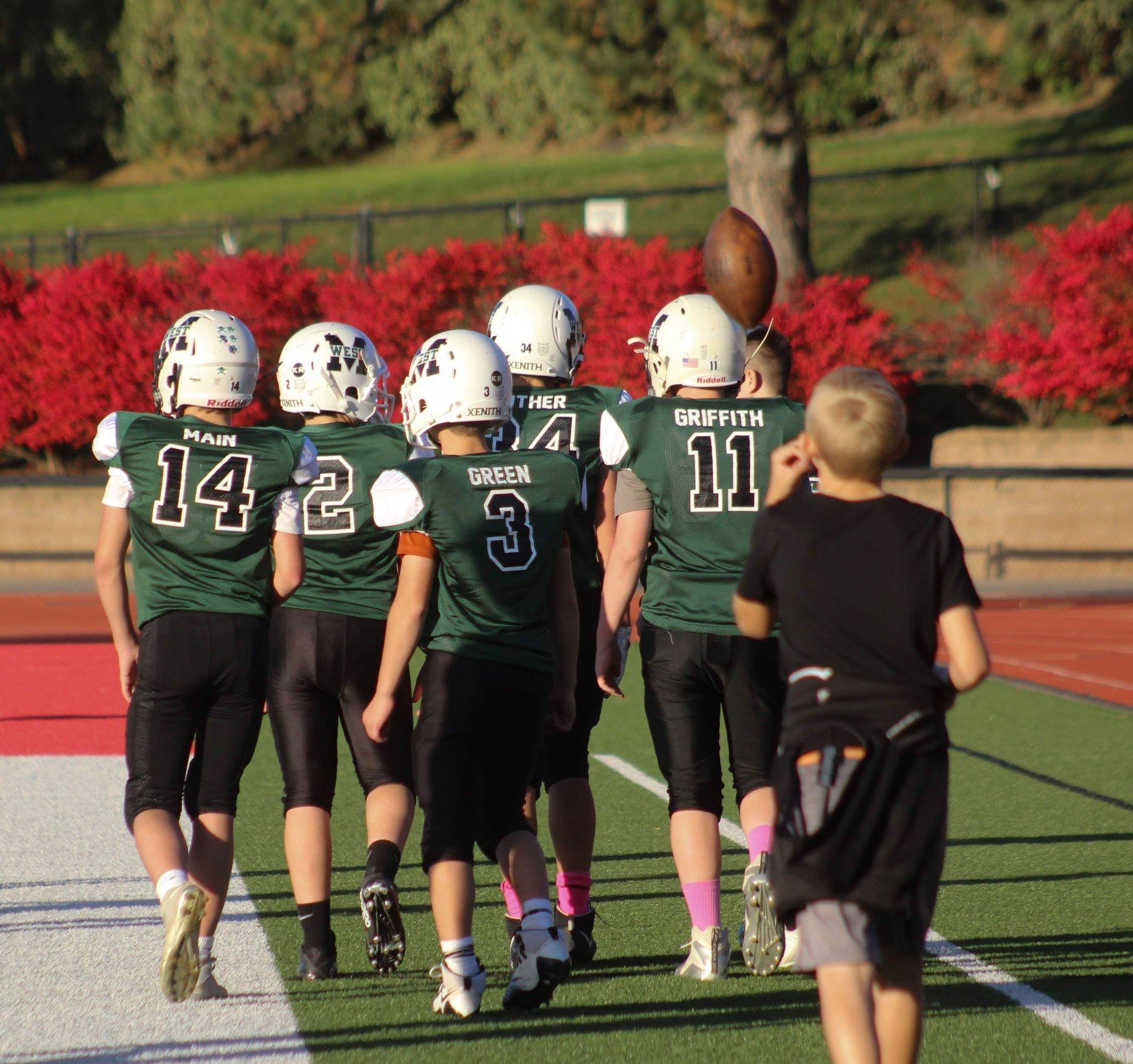
Youth football players on the field — concussion risk in contact sports
CBP® Certified Concussion Care

Concussion Care & Cervical Spine Rehabilitation in Omaha

Most concussion treatments miss the hidden injury underneath — the damaged cervical spine. Our CBP®-certified doctors identify and correct the structural root cause of post-concussion symptoms.

The Neck Injury Hidden Inside Every Concussion

The G-forces required to cause a concussion (70–90 G's) far exceed the forces required to injure the cervical spine (4–7 G's). This means that if a concussion has occurred, a cervical spine injury has almost certainly occurred as well — yet most concussion protocols never evaluate the neck.

Citation: Pellman EJ, et al. Concussion in professional football: reconstruction of game impacts and injuries. Neurosurgery. 2003;53(4):799–814.

3.8M

Sports concussions per year in the U.S.

70–90G

G-forces in a concussion impact

4–7G

G-forces needed to injure the cervical spine

50%+

Of concussion patients develop post-concussion syndrome

The Missing Diagnosis

What Is a Concussion — and Why Does the Neck Matter?

A concussion is a traumatic brain injury caused by a bump, blow, or jolt to the head that changes how the brain functions. It disrupts the normal communication between brain cells, triggering a neurometabolic cascade that can last days, weeks, or even months.

What is almost universally overlooked: the same impact that shakes the brain also violently whips the cervical spine. Because the forces required to injure the neck (4–7 G's) are a fraction of those in a concussion (70–90 G's), the cervical spine is injured in virtually every concussion — yet standard concussion protocols rarely include a structural spinal evaluation.

Unaddressed cervical spine injury is one of the primary drivers of post-concussion syndrome — the persistent headaches, dizziness, brain fog, neck pain, and visual disturbances that can linger for months after the initial injury.

Cervical spine X-ray showing neck injury from concussion impact

The Science

The Dual Injury: Brain & Cervical Spine

Understanding the neurometabolic cascade — and why the neck is always involved

What Happens in the Brain

  • Axonal stretching disrupts electrochemical gradients across neuron membranes
  • Massive potassium efflux triggers a neurometabolic energy crisis lasting 7–10 days
  • Cerebral blood flow decreases while metabolic demand spikes — a dangerous mismatch
  • Neuroinflammation and microglial activation can persist for weeks to months

What Happens in the Cervical Spine

  • Ligamentous laxity and micro-tears occur at the same moment as the brain injury
  • Cervical facet joints are compressed and sheared by the rapid acceleration-deceleration
  • The cervical lordosis (natural neck curve) is disrupted, altering spinal cord tension
  • Proprioceptive signals from the upper cervical spine are disrupted, causing dizziness and balance problems that mimic brain injury

Because the upper cervical spine houses the same proprioceptive and autonomic nerve pathways implicated in post-concussion dizziness, headache, and cognitive fog — treating the neck IS treating the concussion.

The Gap in Standard Care

Why Standard Concussion Care Leaves Patients Stuck

The conventional concussion protocol — rest, avoid screens, return-to-play checklist — was designed to manage the brain injury. It was never designed to evaluate or treat the cervical spine. This is why so many patients feel cleared on paper but still suffer.

No cervical spine imaging

Structural damage to the neck goes undetected and untreated for months or years

Symptom-only management

Medications mask pain without addressing the mechanical cause driving it

No postural assessment

Forward head posture and cervical kyphosis — common after concussion — are never identified

Return-to-play based on symptoms alone

Athletes return before the cervical spine has healed, dramatically increasing re-injury risk

No structural rehabilitation

Even when neck pain is acknowledged, treatment stops at pain relief — not structural correction

The Overlap That Traps Patients

Is It Your Brain or Your Neck?

Many post-concussion symptoms are identical whether they originate in the brain or the cervical spine. This overlap is why cervical spine injury is so frequently missed — and why a structural evaluation is essential.

SymptomBrainNeck
Headache
Dizziness
Brain fog
Visual disturbances
Fatigue
Neck pain & stiffness
Tinnitus

When both brain and cervical spine can produce the same symptom, only a structural spinal evaluation can determine which is driving your condition.

Do You Recognize These?

Post-Concussion Symptoms We Treat

Many of these symptoms originate not in the brain, but in the injured cervical spine and disrupted nerve pathways.

Persistent headaches & migraines
Dizziness & balance problems
Brain fog & difficulty concentrating
Neck pain & stiffness
Light & noise sensitivity
Visual disturbances
Sleep disturbances
Fatigue & low energy
Anxiety & mood changes
Memory & recall problems
Tinnitus (ringing in ears)
Jaw pain (TMJ dysfunction)

Experiencing any of these symptoms after a head injury?

Our Protocol

The CBP® Approach to Concussion Recovery

Chiropractic BioPhysics® (CBP®) is the most researched corrective chiropractic technique in the world, with over 341 peer-reviewed studies. Our approach to concussion care goes beyond symptom management — we identify and correct the structural cervical spine damage that drives post-concussion syndrome.

Digital X-Ray Structural Analysis

We take precise digital X-rays to measure your cervical curve, head position, and spinal alignment. This reveals the exact structural damage caused by the concussion impact — invisible to standard neurological exams.

Postural & Neurological Assessment

A comprehensive postural scan identifies imbalances in cervical alignment, head position, and nerve pathway function that contribute to post-concussion symptoms.

CBP® Mirror Image® Correction

Using the E.A.T. protocol — Mirror Image® Exercises, Adjustments, and Traction — we systematically restore the cervical curve toward its ideal alignment, reducing nerve irritation and symptom load.

Cervical Curve Rehabilitation

Specialized cervical extension traction restores the natural lordotic curve of the neck — the only proven non-surgical method to consistently correct abnormal cervical curvatures, as documented in CBP® clinical trials.

CBP-certified doctor reviewing cervical spine X-ray with concussion patient

What to Expect

Your CBP® Concussion Recovery Timeline

Recovery is not a single event — it is a structured, measurable process. Here is what to expect when you begin care at Omaha Headache Clinic.

1
Phase 1Visits 1–12Weeks 1–3

Relief & Stabilization

Reduce acute pain, muscle spasm, and inflammation. Restore cervical range of motion. Establish baseline X-ray measurements of your cervical curve and head position.

2
Phase 2Visits 13–36Weeks 4–12

Structural Correction

Begin CBP® E.A.T. protocol — Mirror Image® Exercises, Adjustments, and cervical extension Traction. Systematically restore the cervical lordosis toward the Harrison Ideal Model. Re-examine at visit 36 with comparative X-rays.

3
Phase 31–4x/monthOngoing

Stabilization & Maintenance

Lock in structural gains. Prevent regression. Protect against re-injury. Most patients transition to monthly maintenance visits once near-normal alignment is achieved.

Evidence-Based Care

The Research Behind Our Approach

CBP® technique is backed by over 341 peer-reviewed studies published in indexed scientific journals. Here are key findings relevant to concussion and cervical spine rehabilitation:

Cervical Lordosis & Neurological Function

Journal of Manipulative and Physiological Therapeutics

Restoration of cervical lordosis through CBP® traction methods has been shown to reduce neck pain, headache frequency, and neurological symptoms in clinical controlled trials.

Concussion G-Force Biomechanics

Neurosurgery, 2003

Pellman et al. documented that concussion-level impacts (70–90 G's) far exceed the cervical injury threshold (4–7 G's), establishing that cervical spine injury is a near-universal companion to concussion.

CBP® Whiplash & Cervical Rehabilitation

Journal of Manipulative and Physiological Therapeutics

Ferrantelli et al. demonstrated successful conservative management of previously unresponsive whiplash-associated disorders using CBP® methods, including full symptom resolution in chronic cases.

Cluster Headache & Cervical Kyphosis Resolution

Journal of Manipulative and Physiological Therapeutics

Haas et al. reported reduction of cluster headache symptoms in a patient with cervical kyphosis following CBP® structural correction — directly relevant to post-concussion headache patterns.

CBP® Technique: 341+ Peer-Reviewed Studies

Chiropractic BioPhysics® is one of the most extensively researched chiropractic techniques in the world. Our doctors are certified in CBP® and apply its evidence-based protocols to every concussion patient.

Learn more about CBP®

Your Care Team

Meet Your CBP®-Certified Concussion Specialists

Both of our doctors hold Chiropractic BioPhysics® certification — the highest level of evidence-based structural chiropractic training available. They have helped hundreds of Omaha patients recover from concussion-related cervical spine injuries.

Dr. Johnson, D.C.

CBP® Certified

Focus: Structural spinal rehabilitation, chronic post-concussion syndrome, cervical curve restoration

"The most important question I ask every concussion patient is: has anyone ever taken an X-ray of your neck? The answer is almost always no — and that is where we start."

Dr. Green, D.C.

CBP® Certified

Focus: Headache disorders, postural correction, cervical spine rehabilitation, pediatric and youth athlete concussions

"Post-concussion syndrome is not a life sentence. When we identify and correct the cervical component, patients who have suffered for months or years often see dramatic improvement."

Patients We Serve

Who We Help

Youth & High School Athletes

Football, soccer, hockey, and wrestling athletes who have sustained concussions and are experiencing lingering symptoms or repeat injuries.

Auto Accident Patients

Whiplash and head injuries from motor vehicle accidents that have left patients with persistent headaches, dizziness, and neck pain.

Slip & Fall Injuries

Head and neck injuries from falls at home, work, or in public spaces that have not fully resolved with standard medical care.

Post-Concussion Syndrome

Patients whose concussion symptoms have persisted beyond 3 months and who have not found relief through conventional treatment.

Common Questions

Frequently Asked Questions

How long after a concussion should I wait before seeing a chiropractor?

Once acute symptoms (severe headache, vomiting, loss of consciousness) have been medically cleared — typically within 1–2 weeks — structural evaluation of the cervical spine is appropriate and beneficial. Early intervention often leads to better outcomes and faster recovery.

Can chiropractic care help post-concussion syndrome that has lasted months or years?

Yes. Many patients with chronic post-concussion syndrome have an underlying cervical spine injury that was never identified or treated. CBP® structural correction has helped patients with long-standing post-concussion symptoms achieve significant relief by addressing the cervical component.

Is CBP® chiropractic care safe after a concussion?

CBP® care is gentle and evidence-based. We do not perform high-velocity manipulation in the acute phase. Our approach begins with precise X-ray analysis and progresses through carefully controlled traction and exercise protocols tailored to each patient's specific structural findings.

Will my insurance cover concussion chiropractic care?

Most major insurance plans cover chiropractic care for injury-related conditions including post-concussion cervical spine injury. We recommend calling our office to verify your specific benefits before your first visit.

Do you work with other healthcare providers for concussion management?

Absolutely. We believe in a collaborative, multidisciplinary approach to concussion care. We are happy to coordinate with your neurologist, primary care physician, or sports medicine doctor to ensure comprehensive management of your recovery.

What is post-concussion syndrome and how long can it last?

Post-concussion syndrome (PCS) is defined as concussion symptoms persisting beyond 3 months. Studies suggest 10–15% of concussion patients develop PCS. Symptoms can persist for years when the underlying cervical spine injury is not identified and treated. CBP® structural rehabilitation addresses the cervical component that standard concussion protocols miss.

My neurologist says my brain scans are normal. Why do I still have symptoms?

Standard MRI and CT scans detect gross structural brain damage — bleeding, swelling, fractures. They do not detect the microscopic axonal injury of a concussion, nor do they image the cervical spine's structural alignment. A normal brain scan does not rule out cervical spine injury as the driver of your ongoing symptoms. This is precisely why a structural spinal evaluation is essential even after a normal neurological workup.

Can children and teenagers receive CBP® concussion care?

Yes. Youth athletes are among the most vulnerable concussion populations, and their developing spines are particularly susceptible to structural injury. Our doctors are experienced in treating pediatric and adolescent patients with age-appropriate, gentle CBP® protocols. Early intervention in young athletes is especially important to prevent long-term structural consequences.

Don't Let a Hidden Cervical Injury Prolong Your Recovery

If you or your athlete is experiencing post-concussion symptoms, the cervical spine may be the missing piece. Schedule a structural evaluation with our CBP®-certified doctors today.

18460 Wright Street, Suite 9 · Omaha, NE 68130 · Mon–Thu 8 AM–6 PM · Fri 8 AM–5 PM